
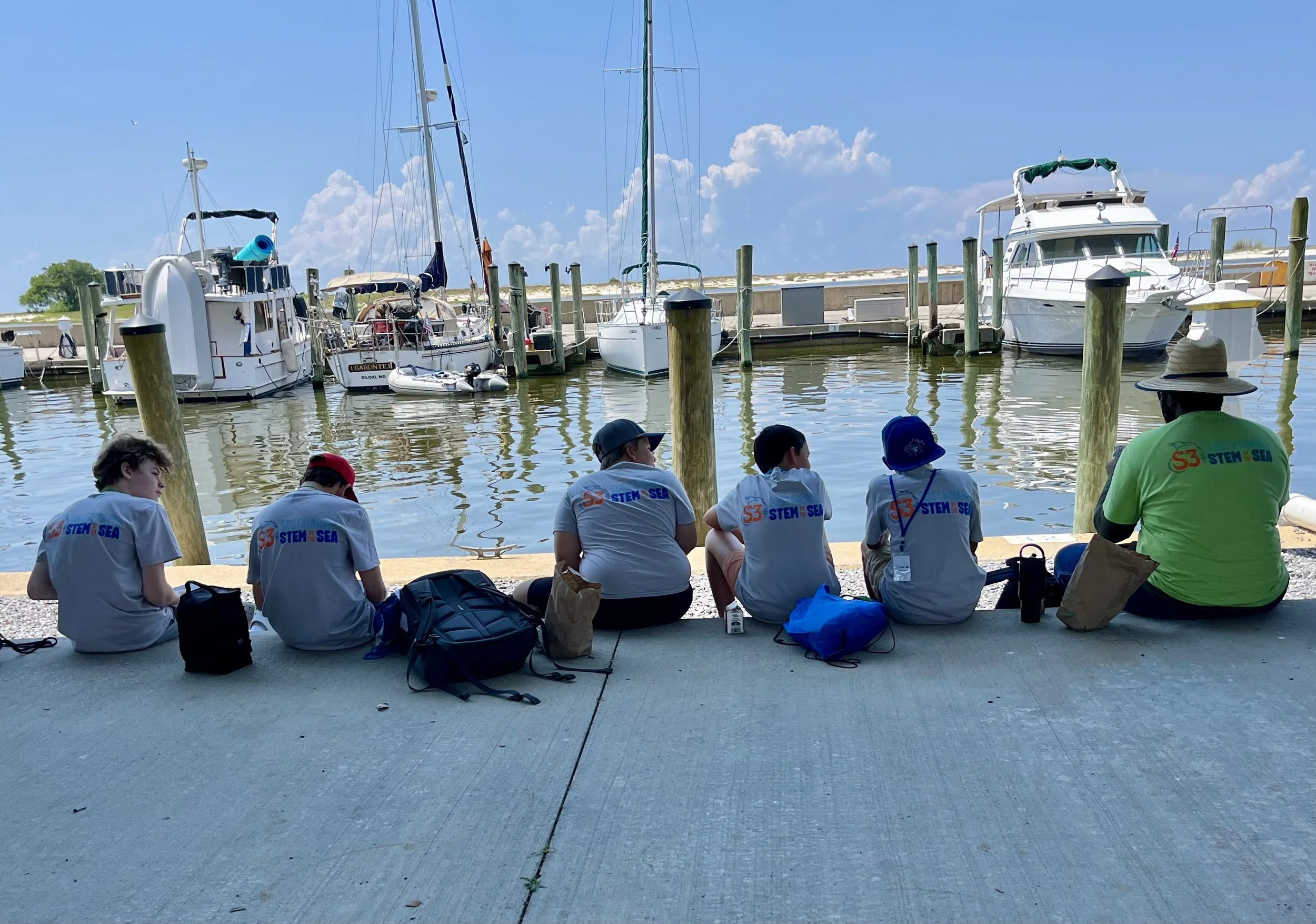
Our coast is a living lab with much to teach us.
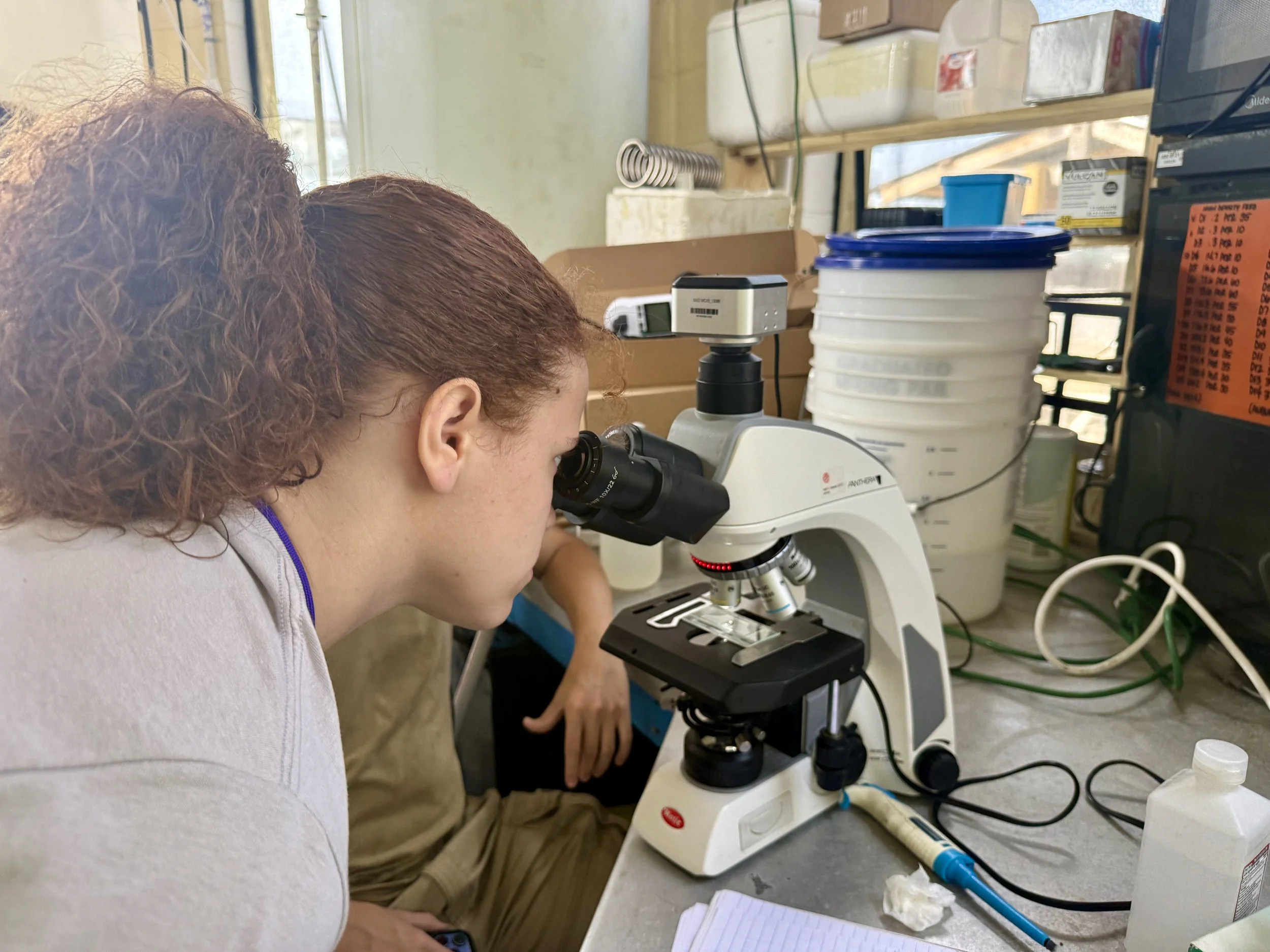
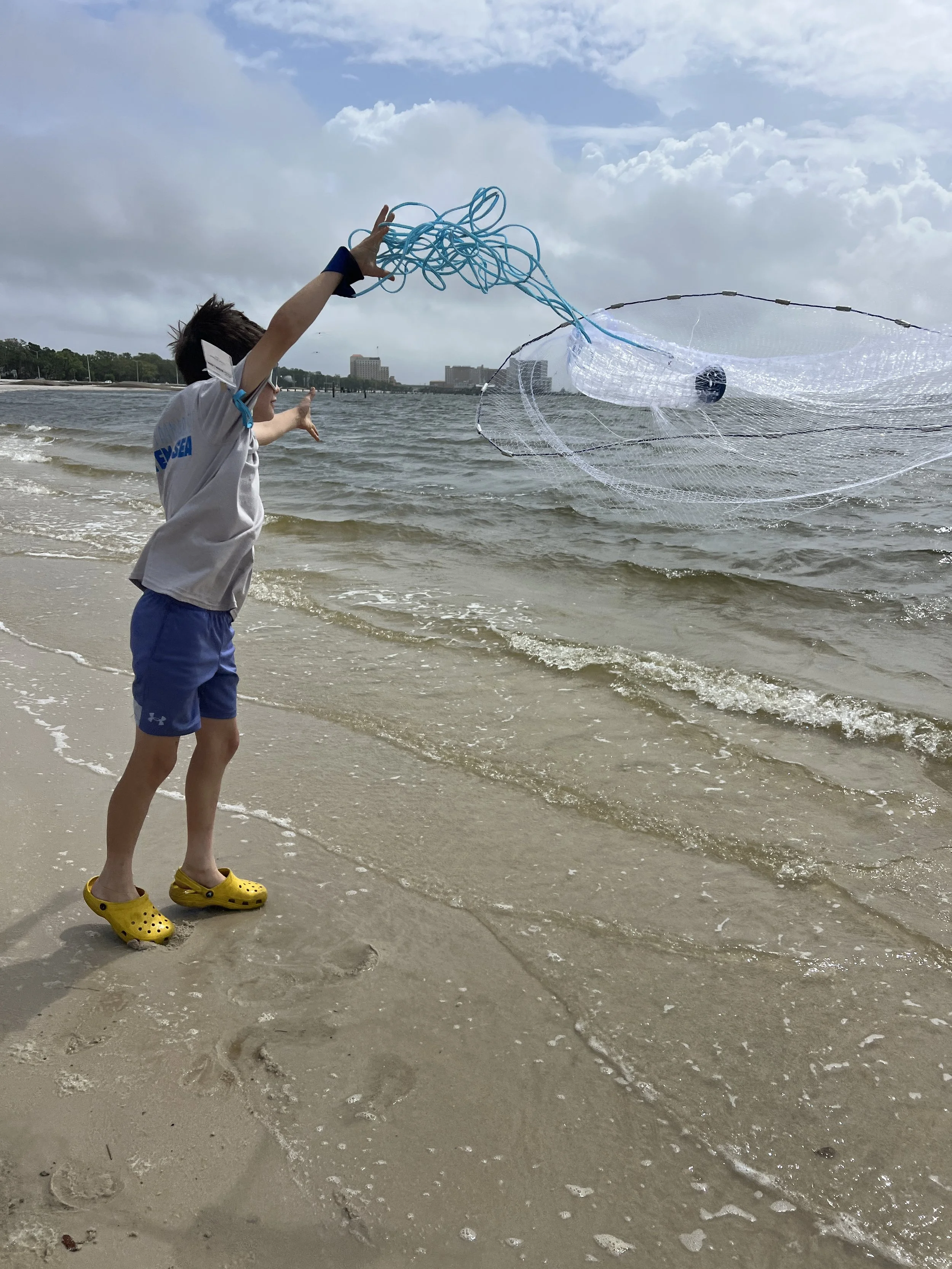
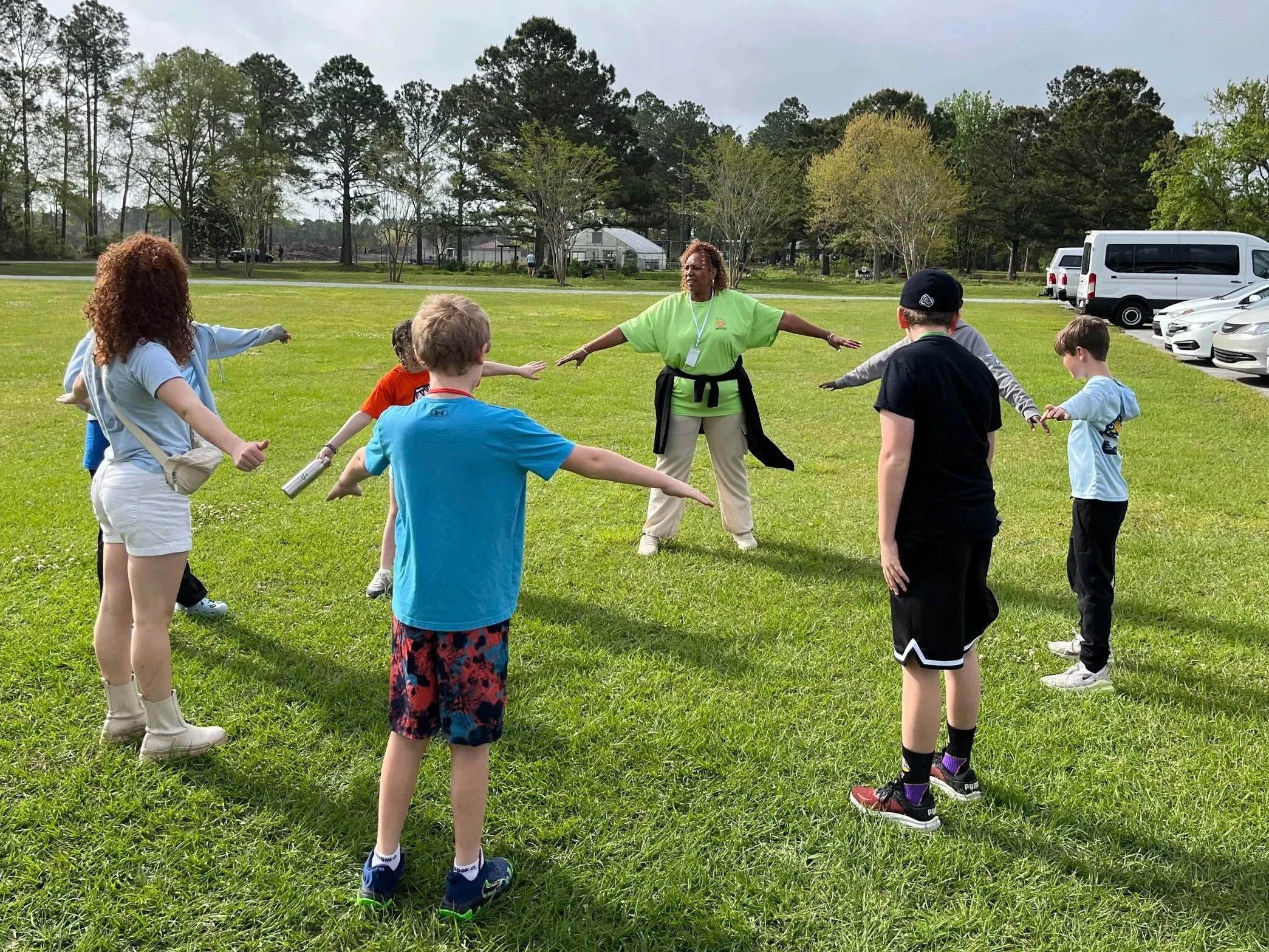
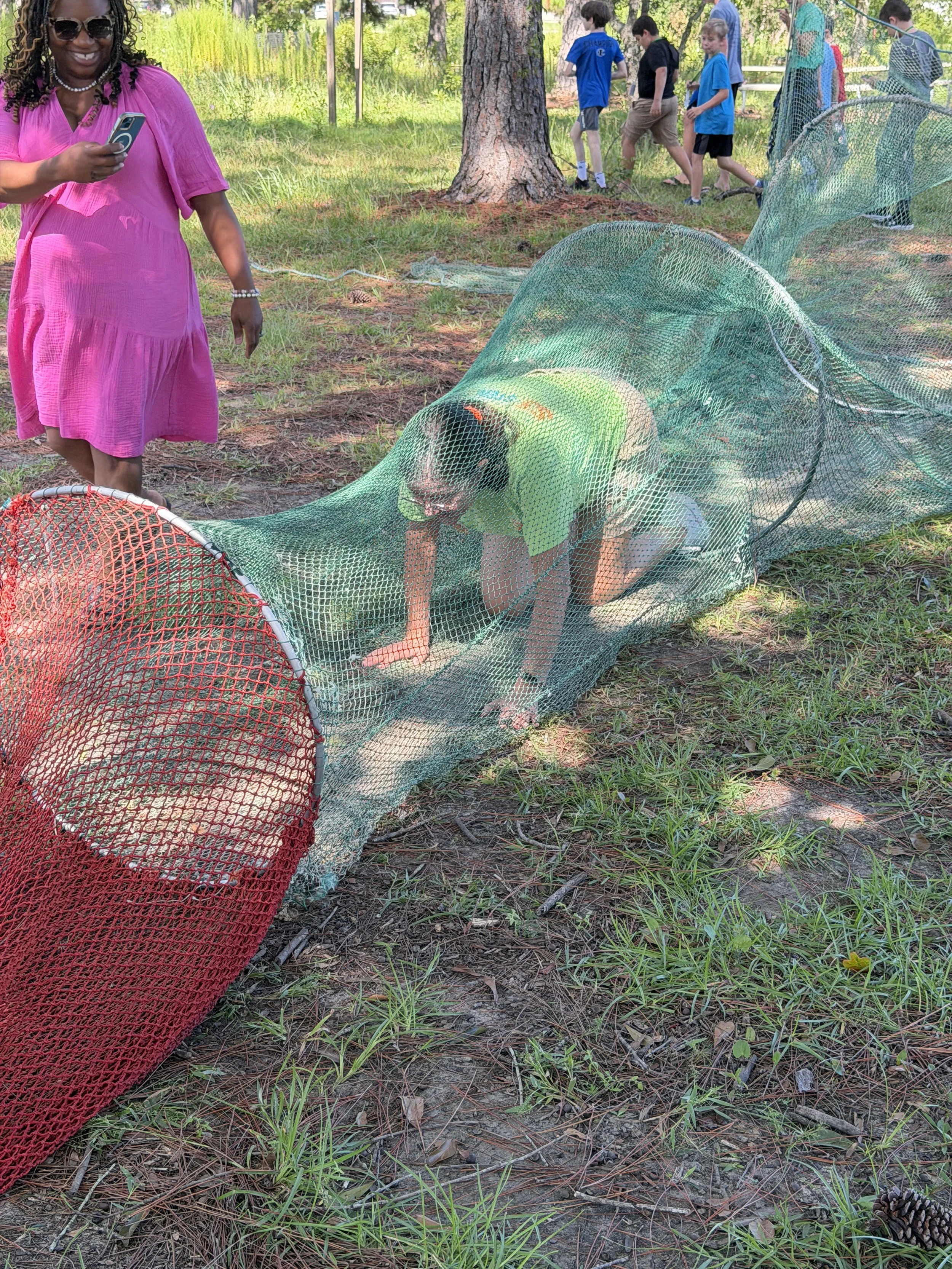
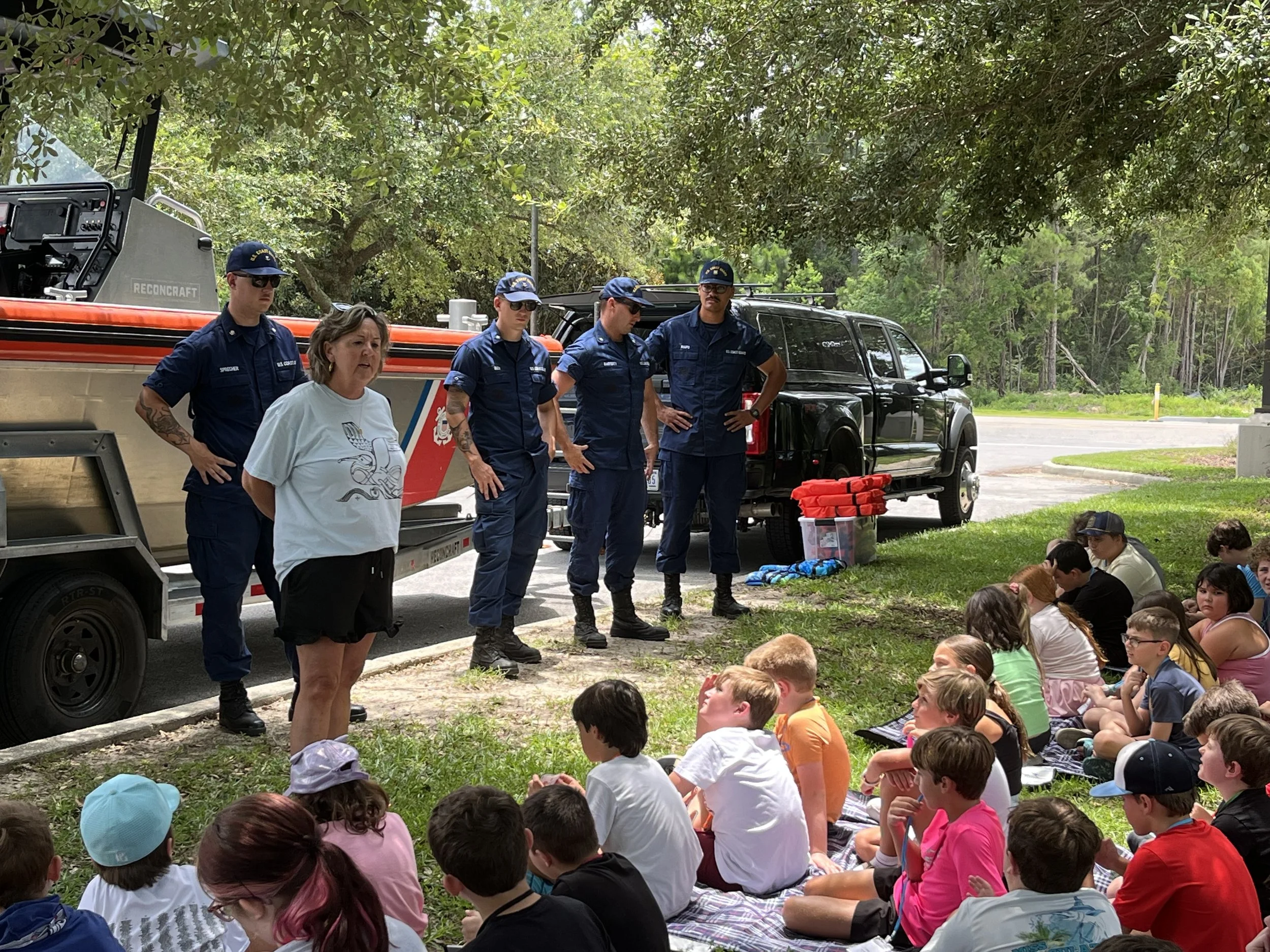
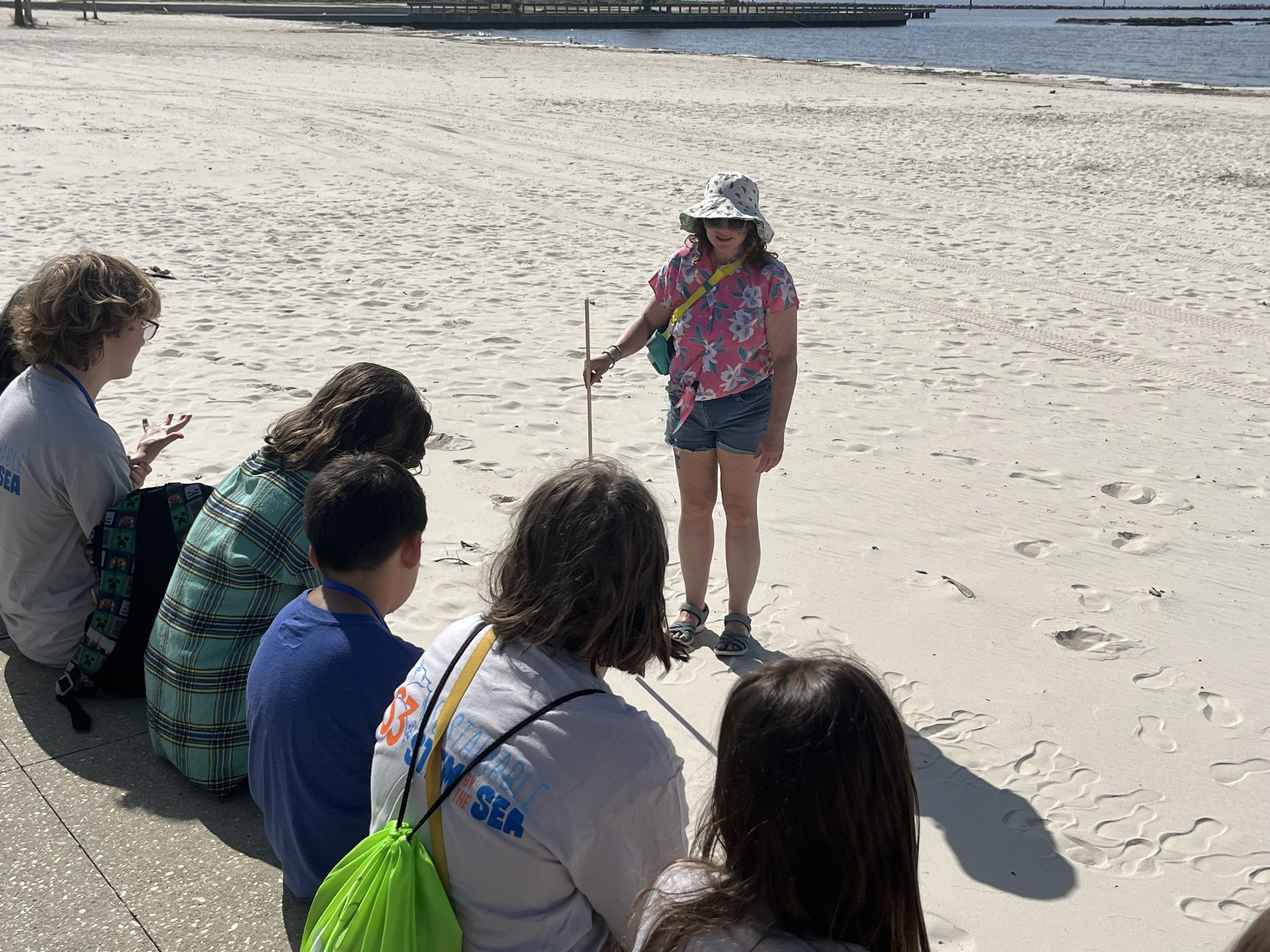
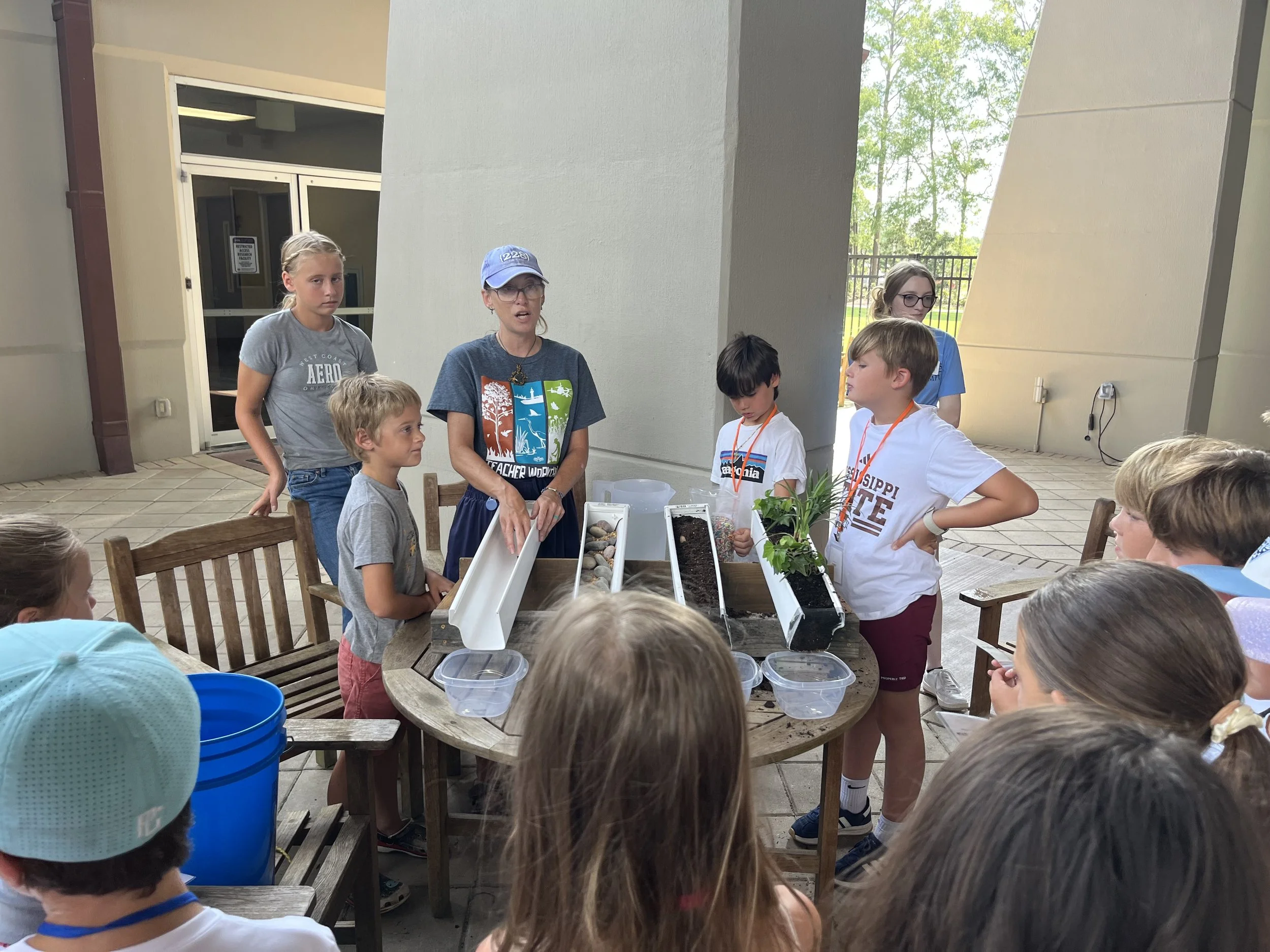
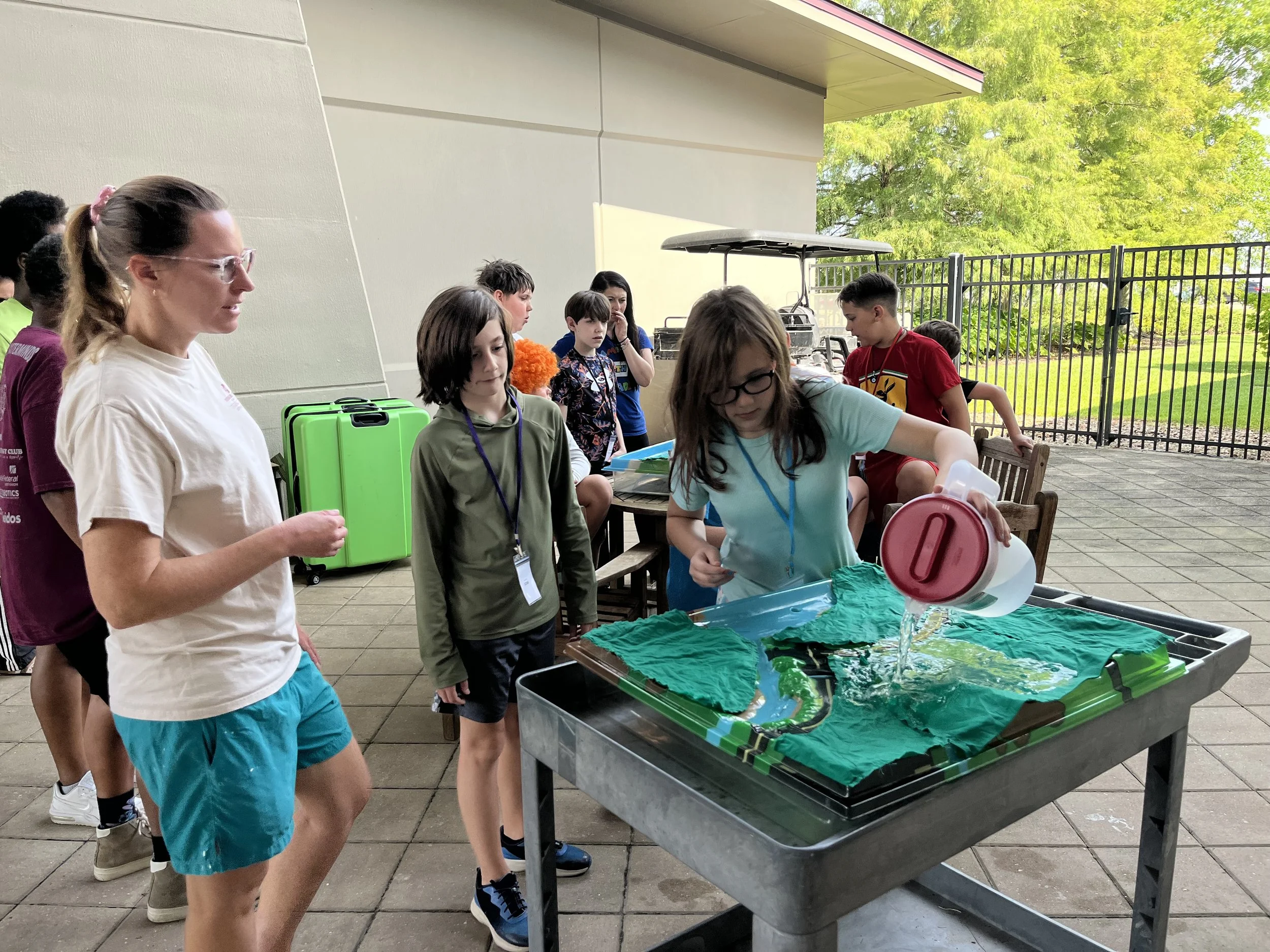
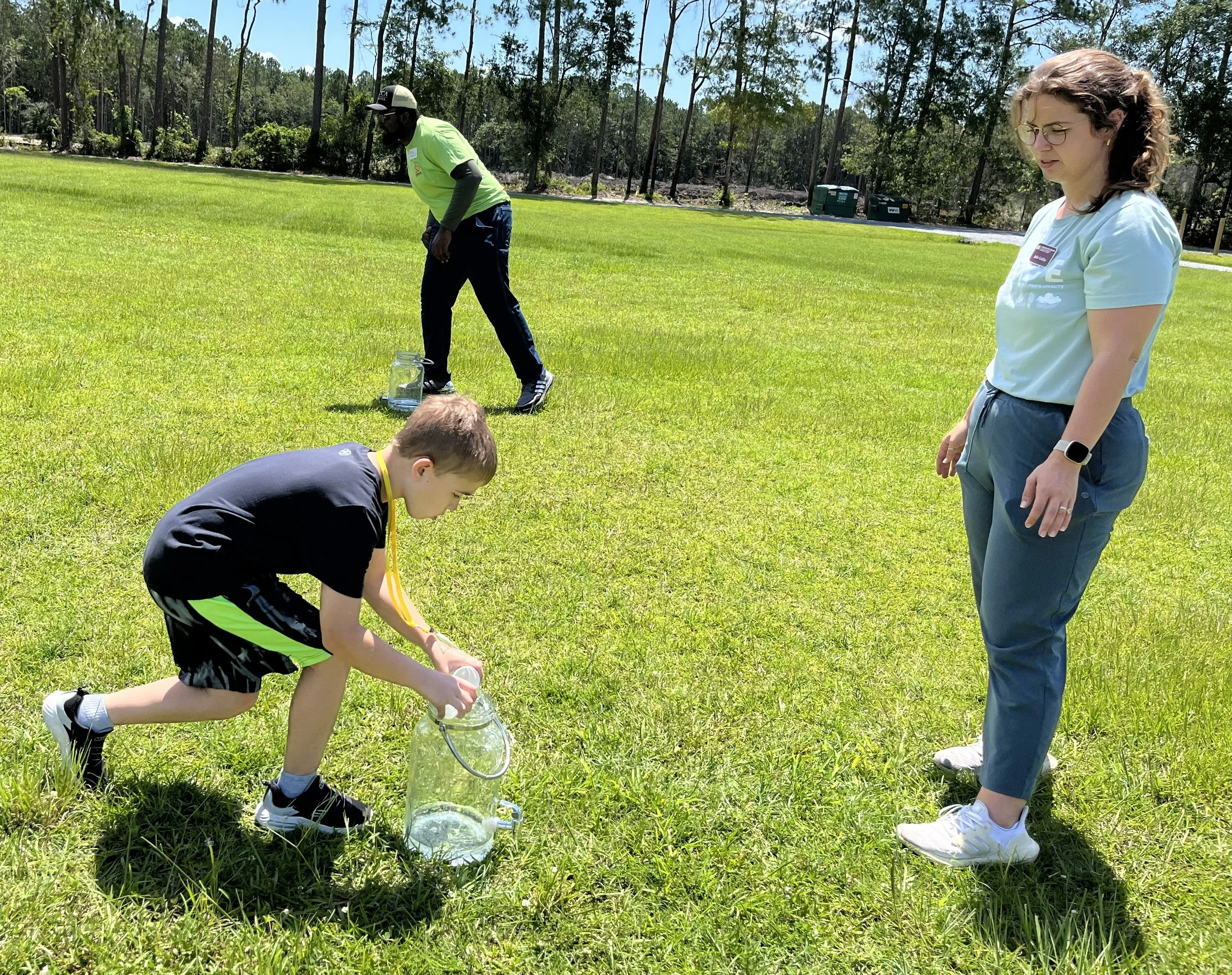
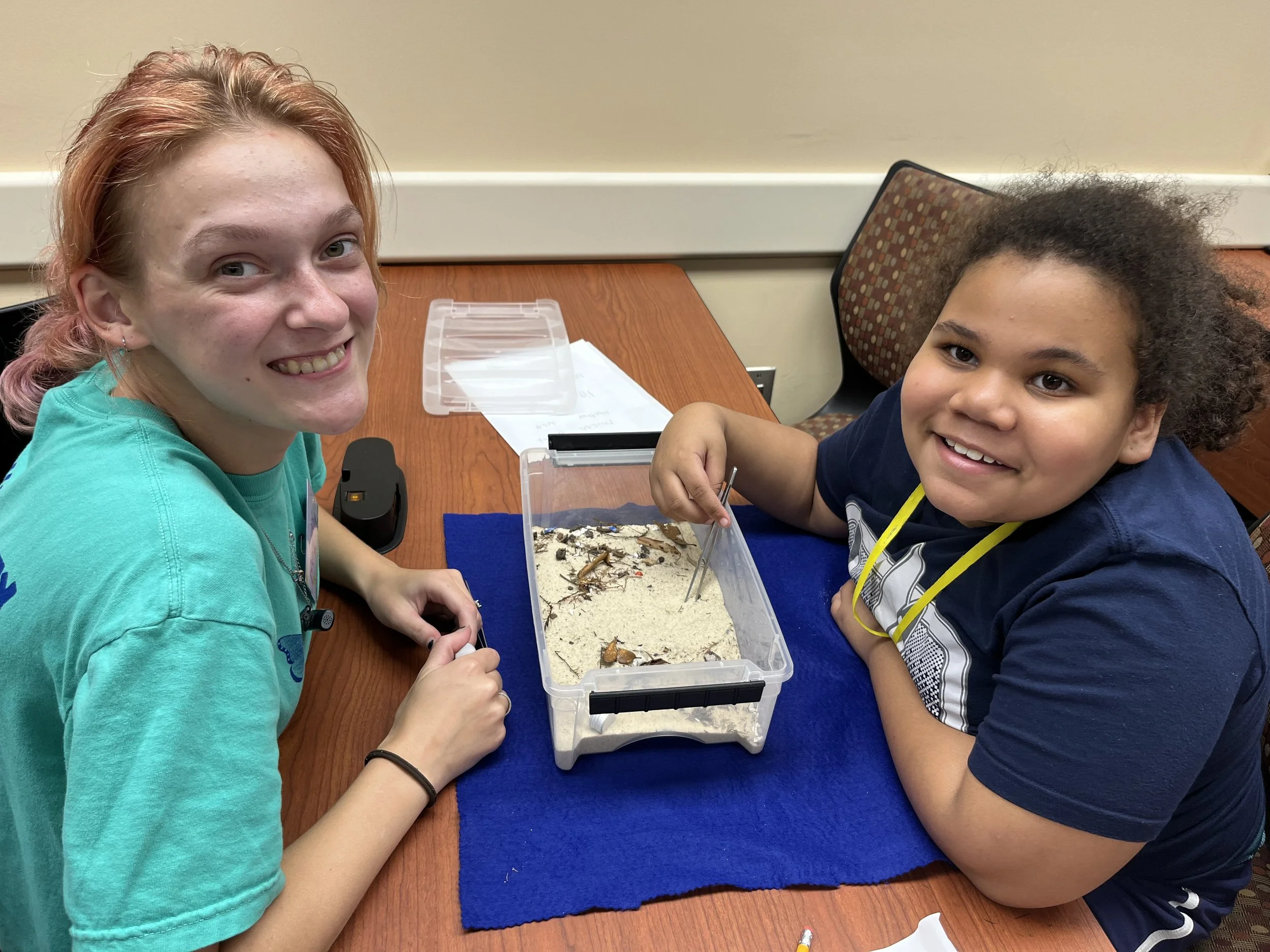
Through S3, students explore water quality, native species, storm resilience, and sustainable design to understand how people, place, and planet are connected, and how smart choices can protect what we love.
“Our goal with S3 is to empower Gulf Coast youth to become the next generation of environmental leaders. By engaging students in hands-on, place-based exploration of their own coastal ecosystems, we’re helping them connect science learning to real community challenges—building both the knowledge and the civic agency needed to create a more resilient and sustainable future.”
The S3 Curriculum
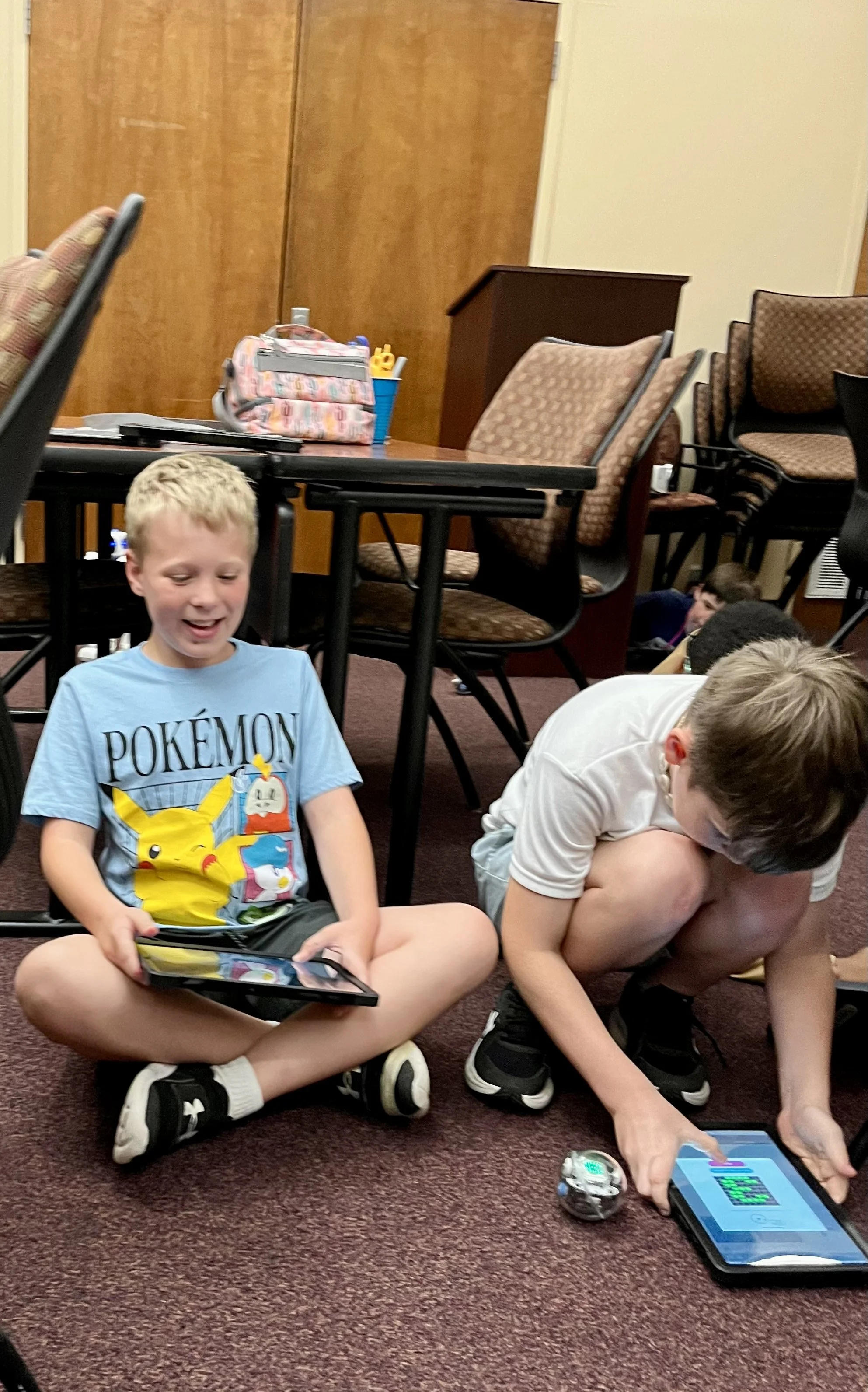
S3 camps and teacher training integrate nationally-recognized STEM instructional models and U.N. Sustainable Development Goals in a four-studio framework, helping kids tackle real-world challenges in order to connect what students learn to their natural interests and to teach them transferable technical skills.
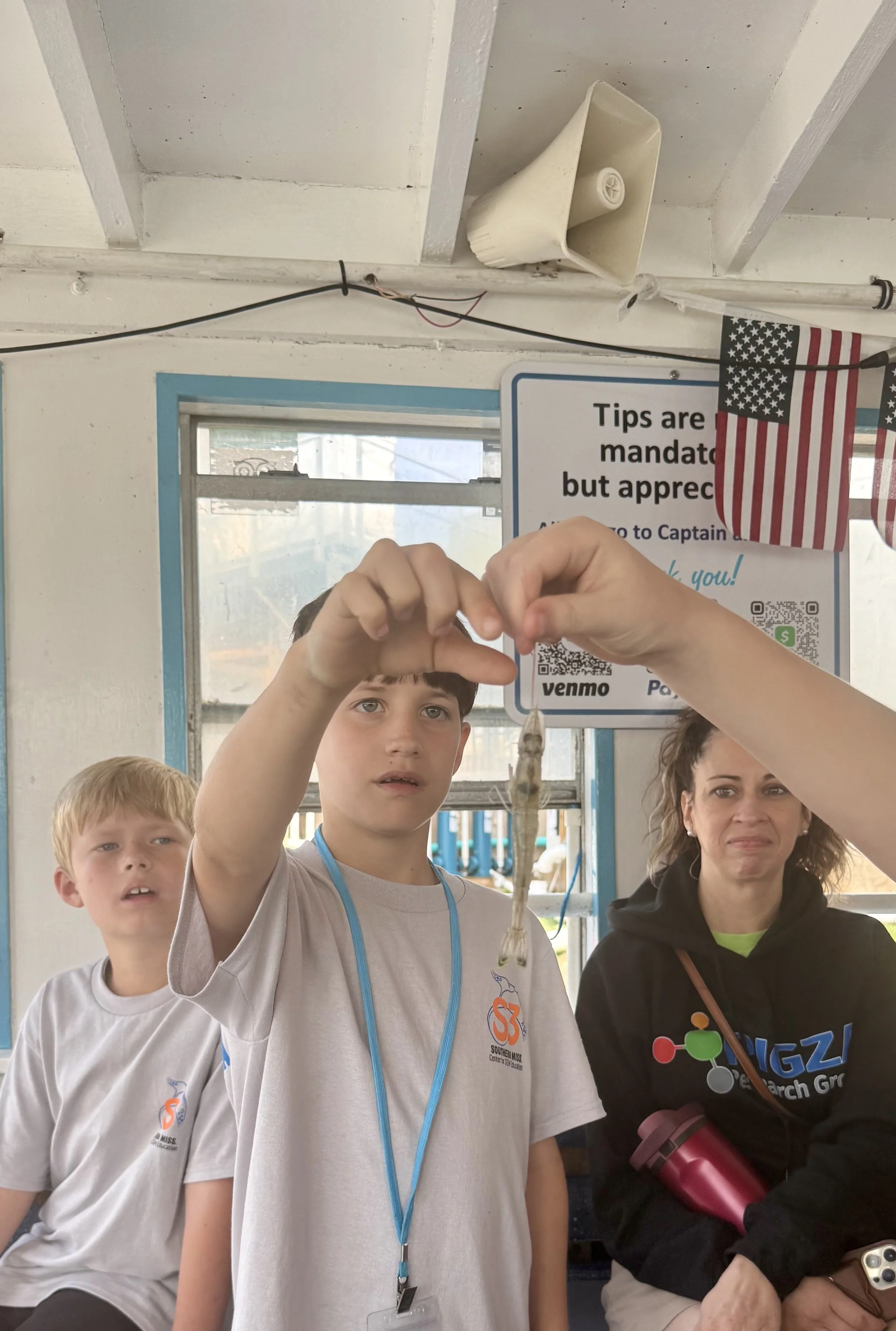
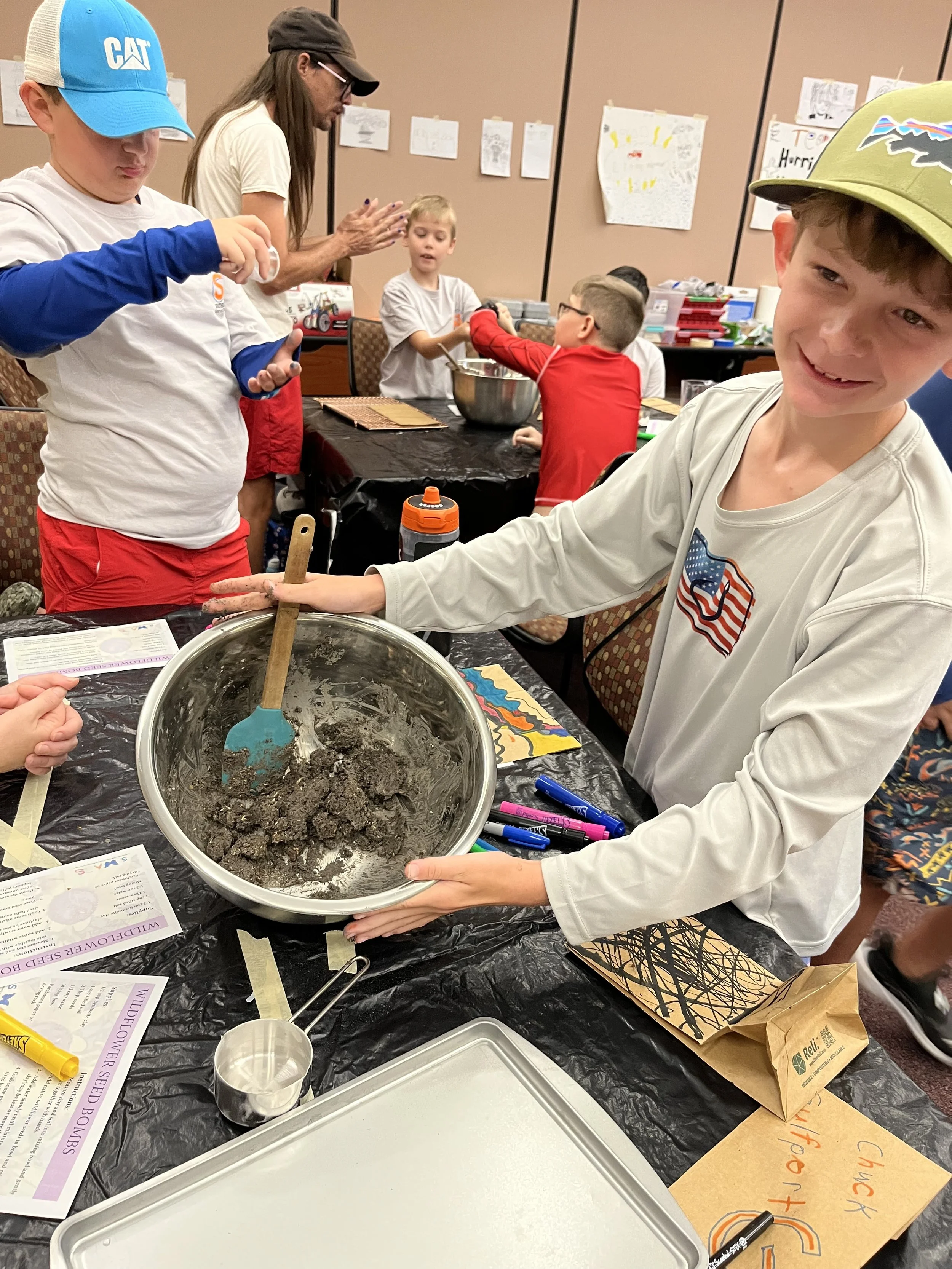
Meet the S3 Team/USM
-
![]()
Rachel Gisewhite, Ph.D.
Principal Investigator/Program Lead
-
![]()
Kendrick Buford, Ph.D.
Co PI/Research Lead
-
![]()
Sandra "Sandy" Moss
Curriculum & Research
-
![]()
Tara Skelton
Communications & Operations
-
![]()
Susan Stachowski
Curriculum & Communications
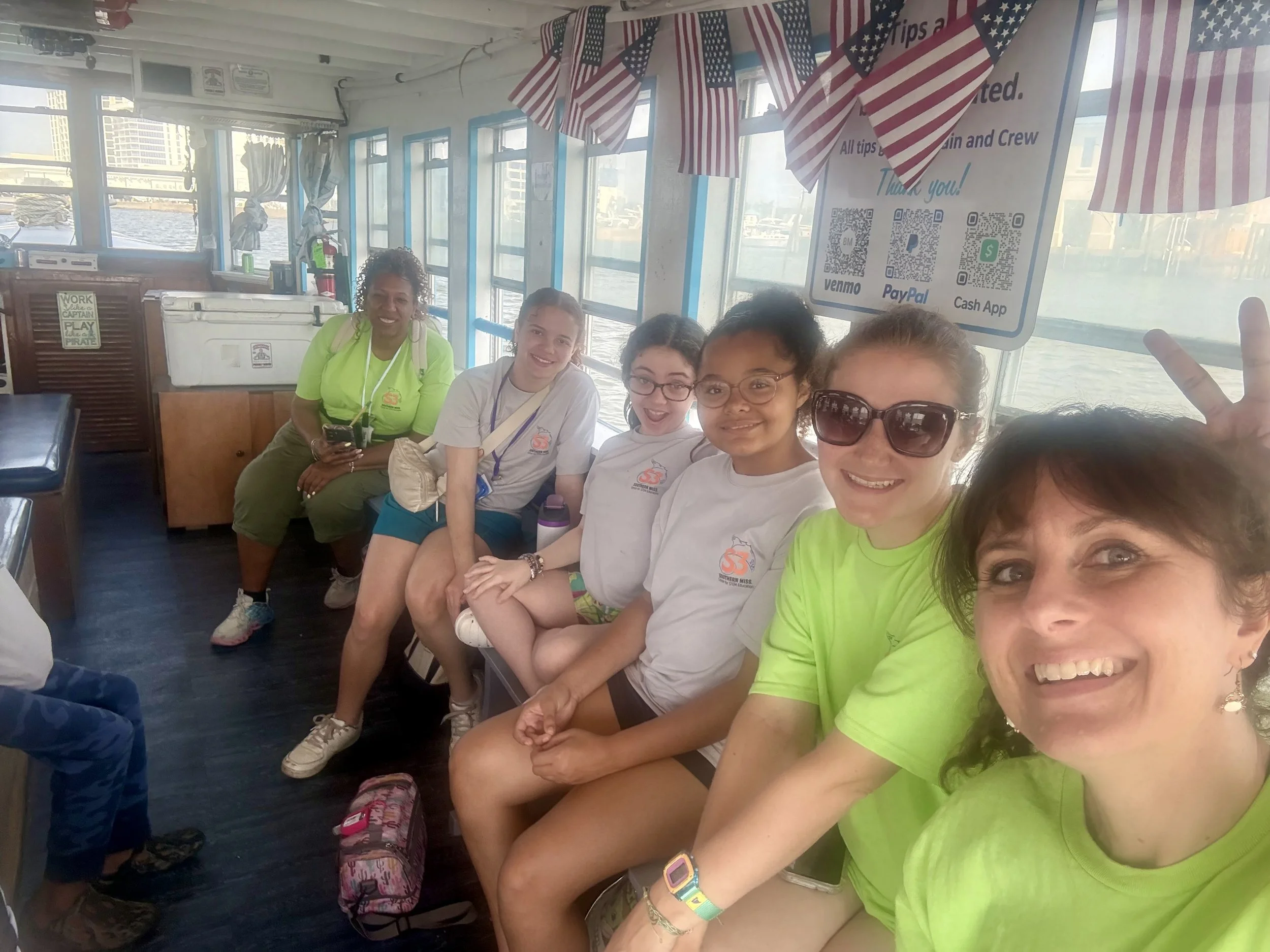
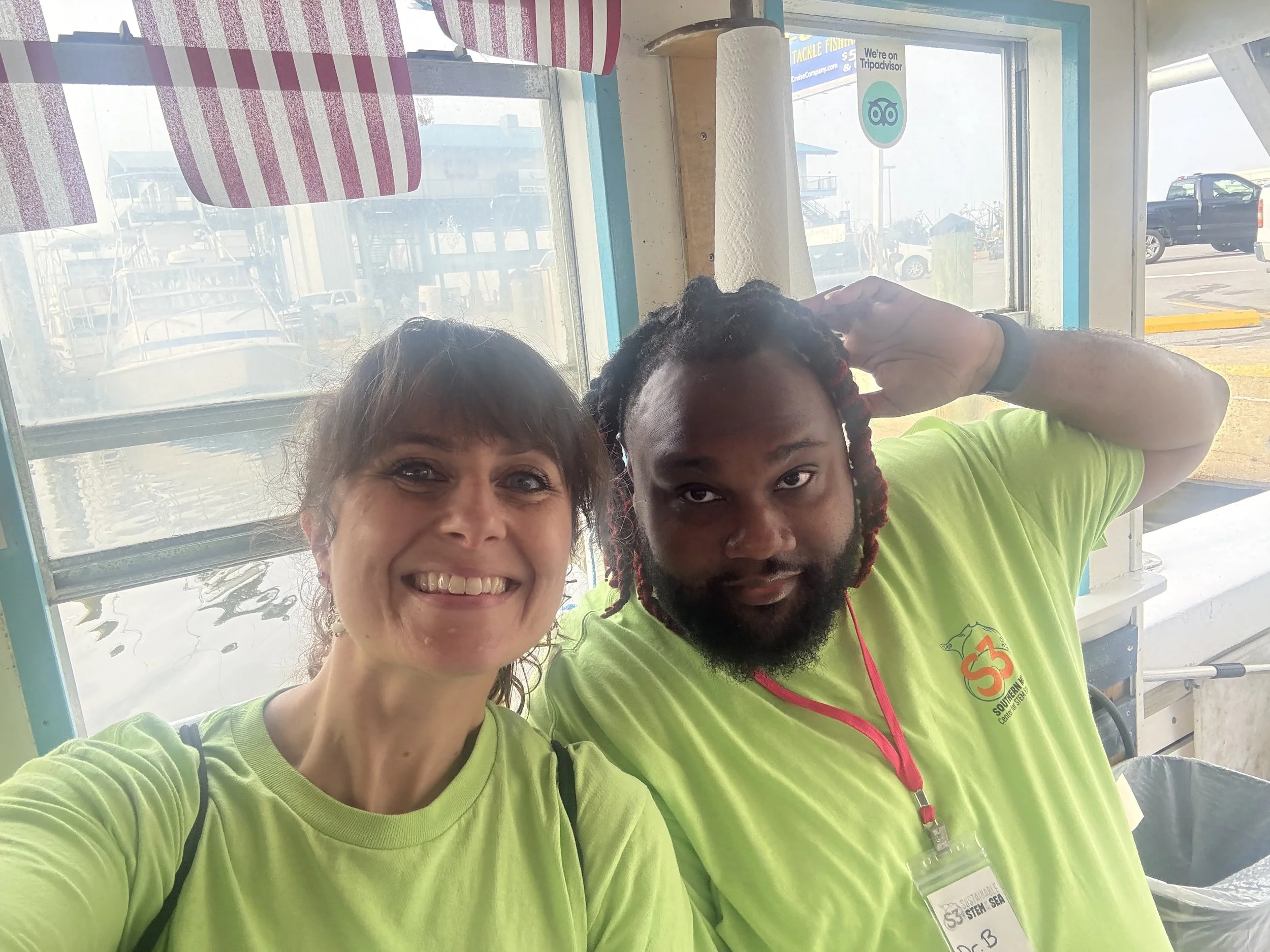
Meet the S3 Team/MSU
-
![]()
Eric Sparks, Ph.D.
Director of Coastal and Marine Extension/Curriculum & Operations
-
![]()
Ali Rellinger, Ph.D.
PLACE Program Director/Curriculum & Operations
-
![]()
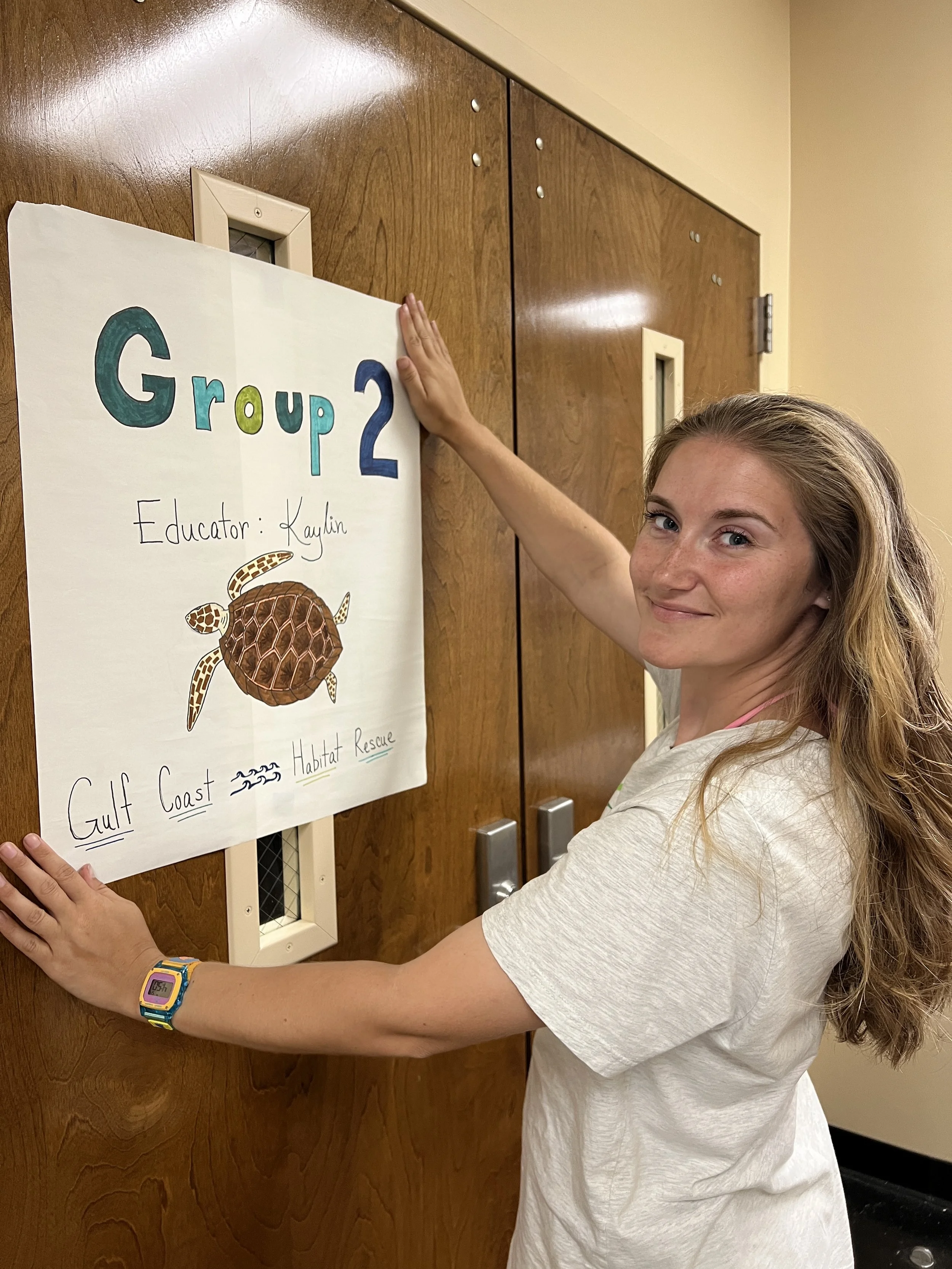
Kaylin Bruening
Upper Elementary Lead Educator
-
![]()
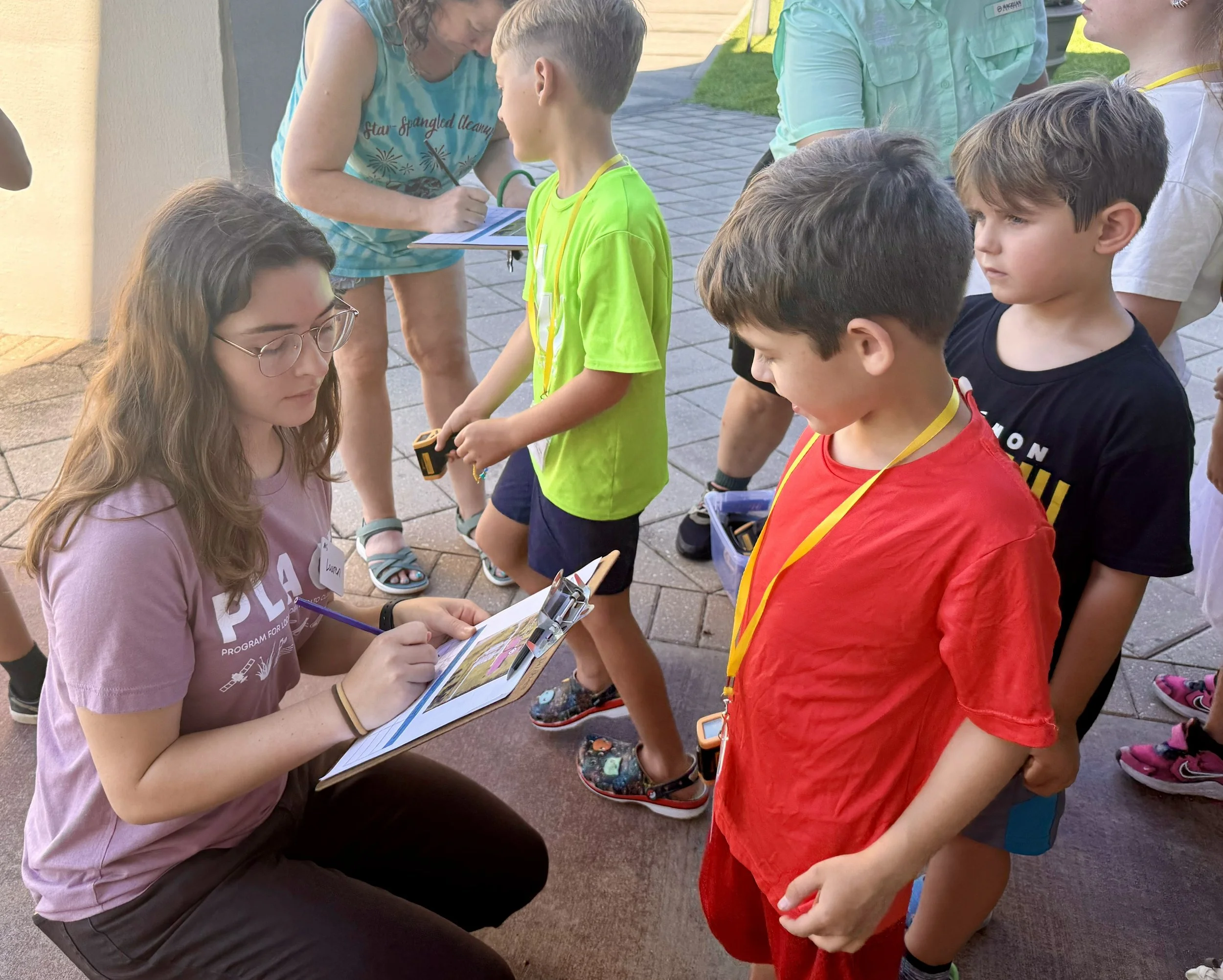
Lauren Kegley
Lower Elementary Lead Educator
-
![]()
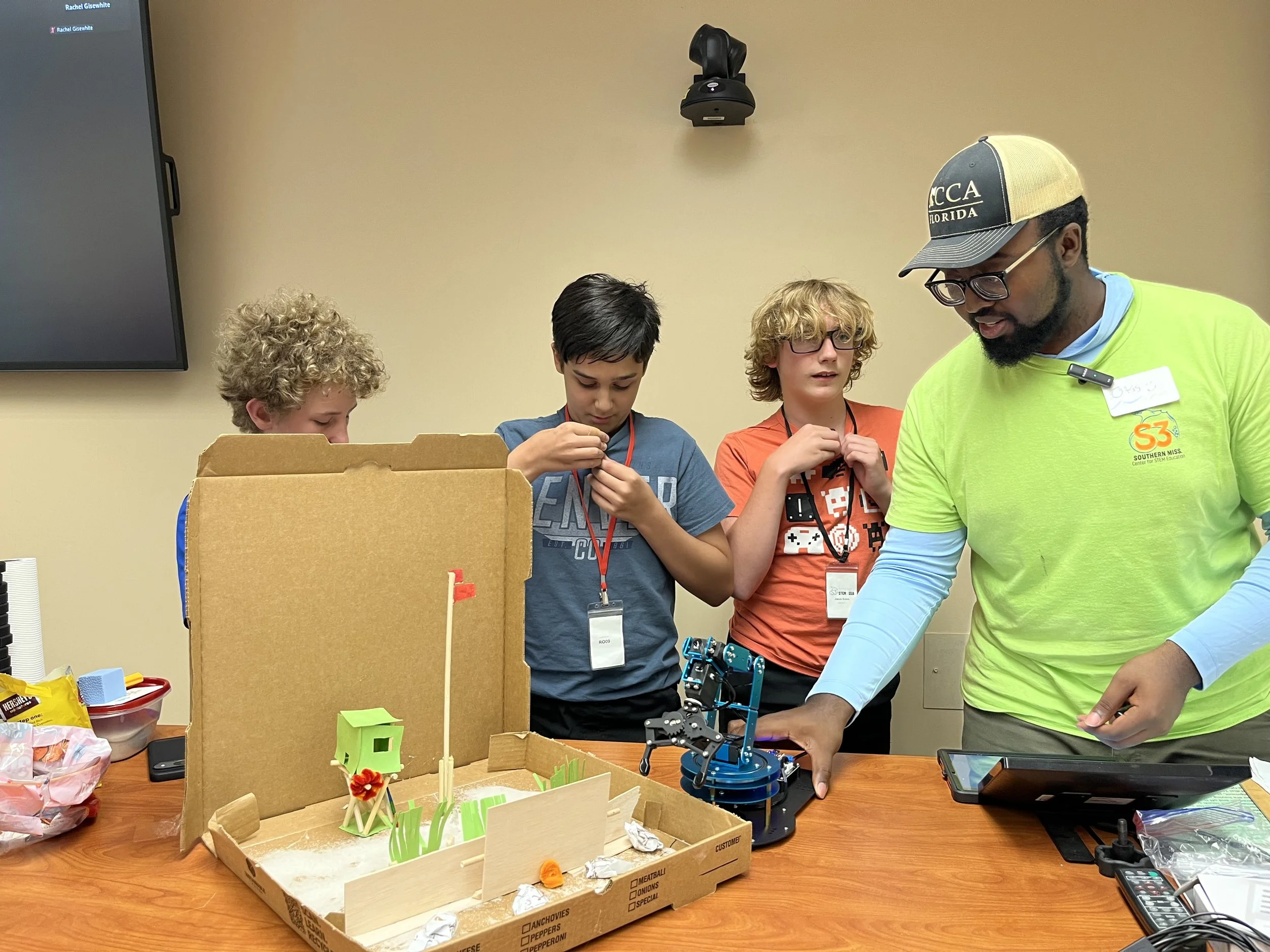
Otis Woolfolk
Middle Grade Lead Educator
-
![]()
Evelyn McQueen
Curriculum & Operations
-
![]()
Larisa Lee
Curriculum & Operations
-
![]()
Jolie Griffey
Description goes here -
![]()
Maddy Mader
Program Support
S3 Funding
This project was supported by the Gulf Research Program of the National Academies of Sciences, Engineering, and Medicine under award number SCON-100001596.
The website content is solely the responsibility of the authors and does not necessarily represent the official views of the Gulf Research Program or the National Academies of Sciences, Engineering, and Medicine.
The National Academies Gulf Research Program (GRP) is an independent, science-based initiative founded in 2013 as part of legal settlements with companies involved in the 2010 Deepwater Horizon disaster. The GRP’s mission is to develop, translate, and apply science to enhance the safety of offshore energy, the environment, and the well-being of people in the Gulf region for generations to come. It supports innovative science, guides data design and monitoring, and builds and sustains networks to generate long-term benefits for the Gulf region and the nation.
The National Academies of Sciences, Engineering, and Medicine are private, nonprofit institutions that provide independent, objective analysis and advice to the nation to solve complex problems and inform public policy decisions related to science, engineering, and medicine. The National Academies operate under an 1863 congressional charter to the National Academy of Sciences, signed by President Lincoln.
S3 Research & Data Collection
The Center for STEM Education at The University of Southern Mississippi is committed to strengthening STEM teaching and learning through research. The S3 program is examining the impact of the S3 curriculum on students’ scientific literacy, sense of place, STEM interest, sense of agency, collaborative problem-solving, and environmental stewardship behaviors. The project also explores how teacher engagement builds self-efficacy and readiness for place-based instruction, while comparing S3 outcomes with other STEM programs in the region. Students and teachers participating in this research will do so anonymously. This project has been approved by The University of Southern Mississippi’s Institutional Review Board (USM Office of Research Integrity IRB Protocol Number: 25-0708).